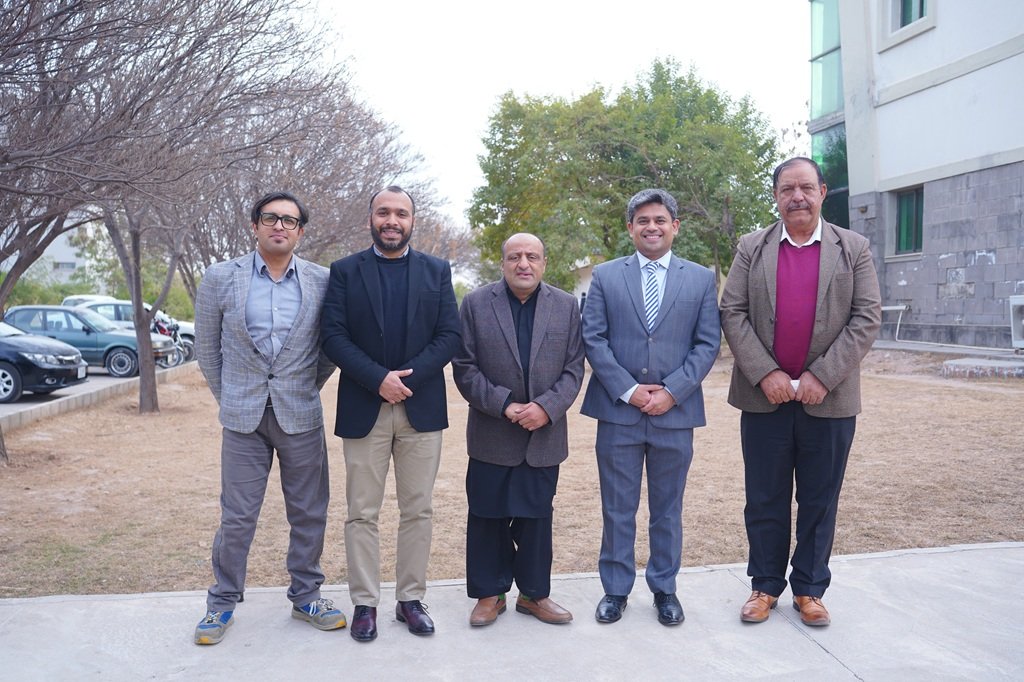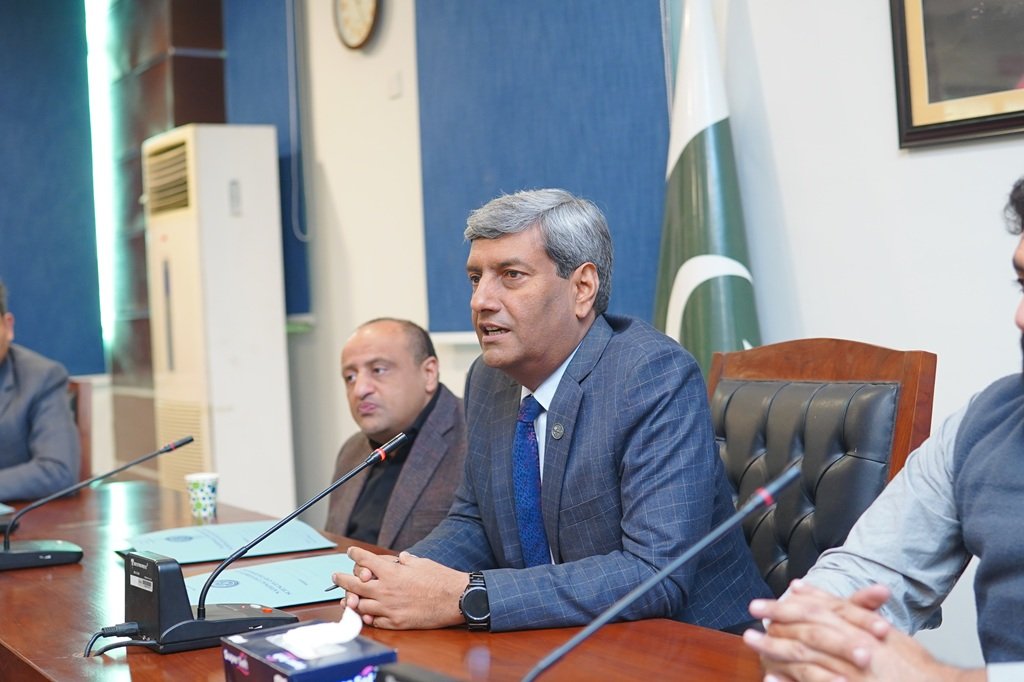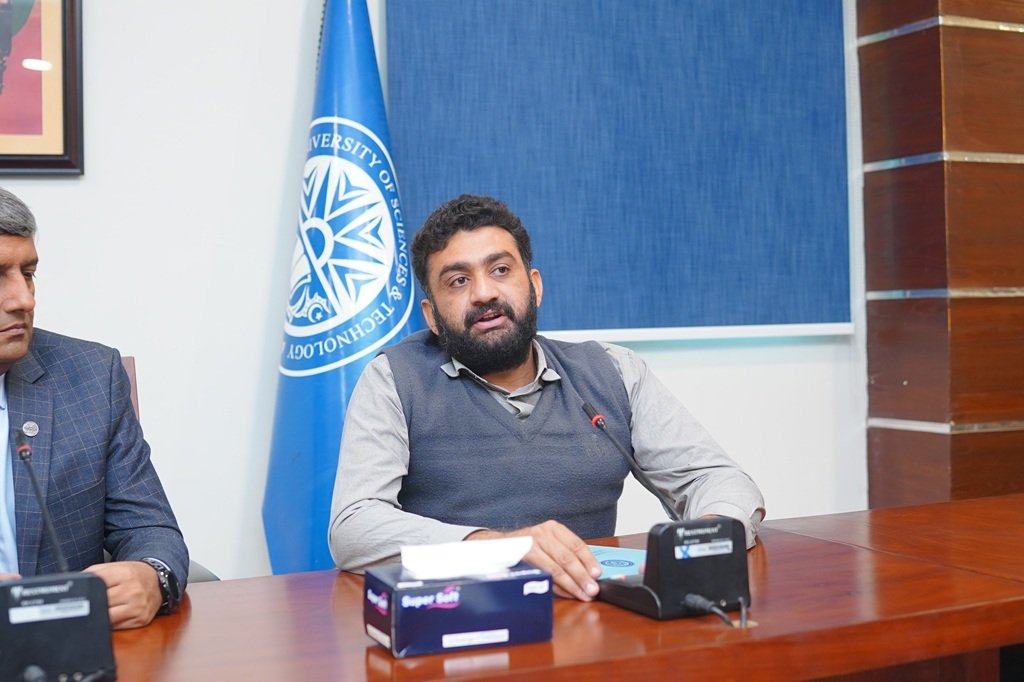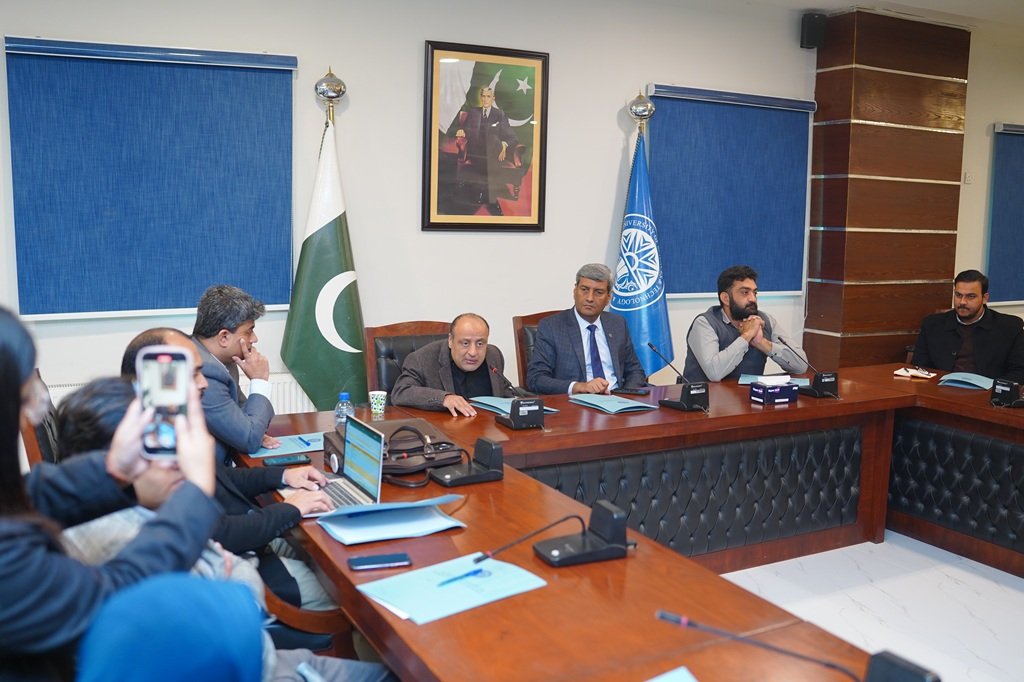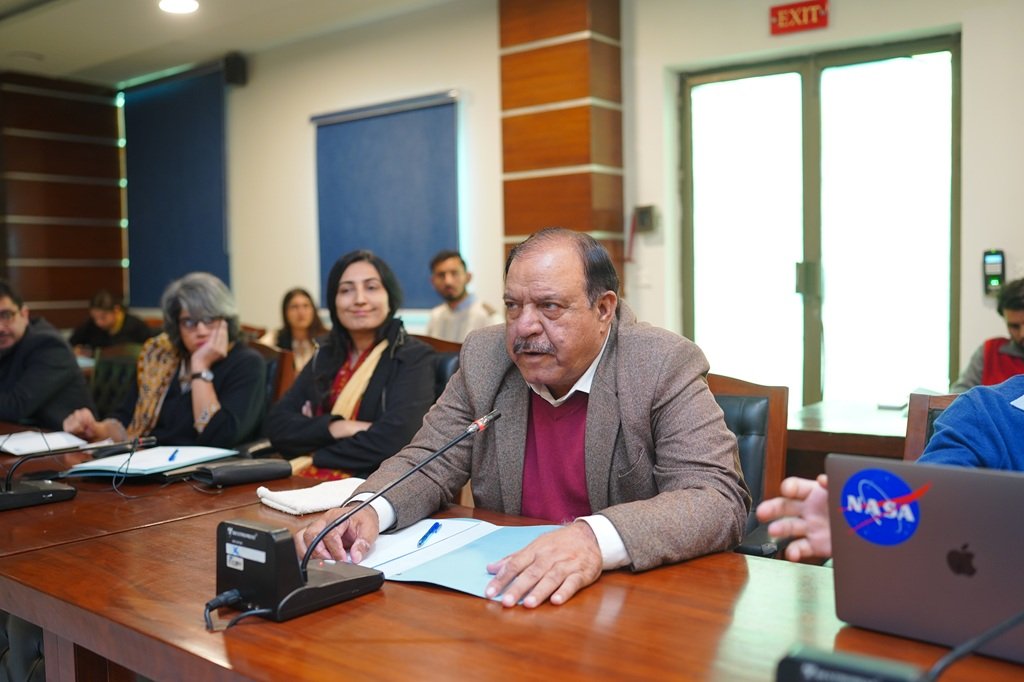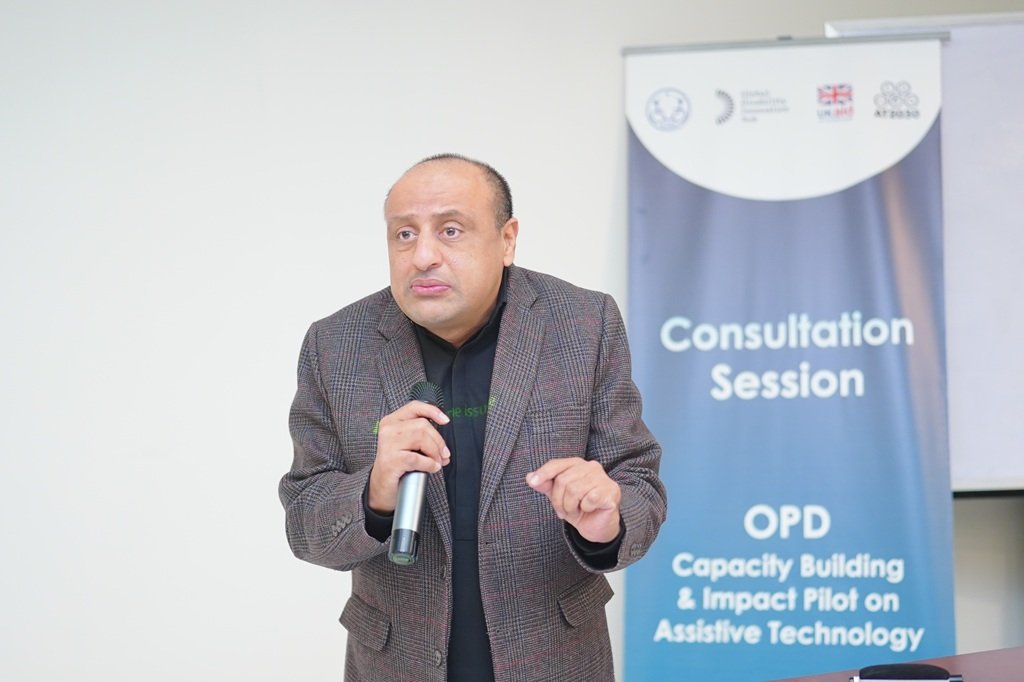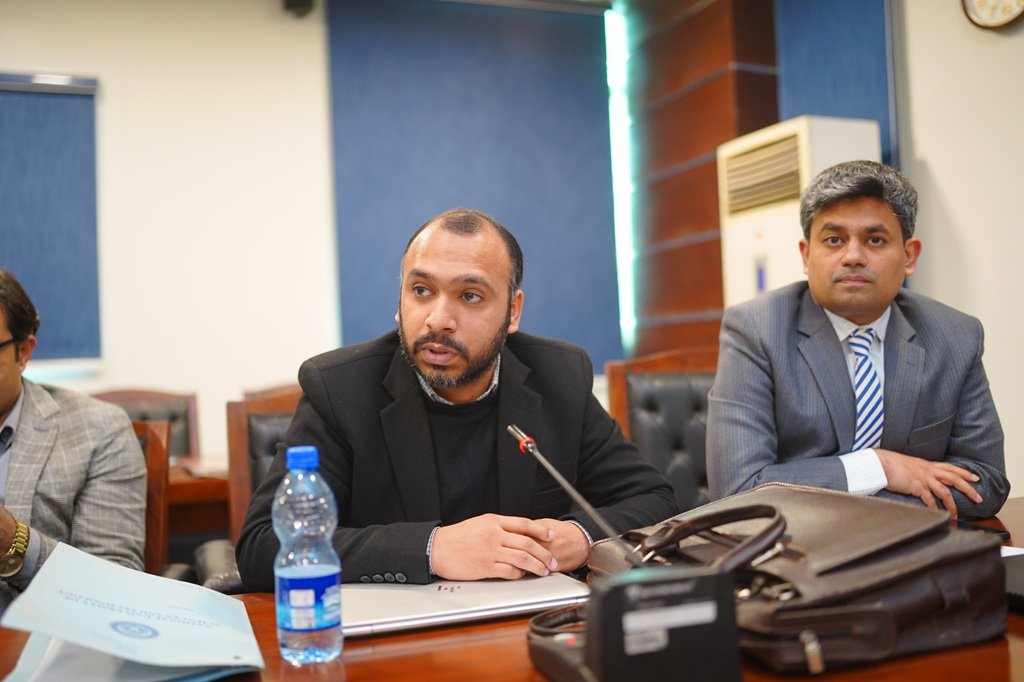
National Consultation on Assistive Technology was successfully hosted on January 17th, 2025, by the Special Talent Exchange Program (STEP) in collaboration with NUST. The event was part of the transformative initiative, “Global Disability Innovation Hub, UCL, and STEP – OPD Capacity Building and Impact Pilot.” This groundbreaking initiative, under the #AT2030programme funded by UKAid, focuses on testing scalable solutions to create sustainable assistive technology (AT) ecosystems globally.
The session convened a diverse group of stakeholders, including representatives from Organisations for Persons with Disabilities (OPDs), policymakers, academia, and industry experts. The discussions focused on addressing barriers to Assistive Technology access while emphasizing the importance of capacity building and advocacy to empower Persons with Disabilities in Pakistan.
Key Highlights of the Consultation Session:
The session focused on exploring barriers to AT access and the pivotal role of capacity building and advocacy. Key discussions emphasized:
1. Strengthening OPDs for Advocacy and Inclusion
OPDs are essential in advocating for the rights of Persons with Disabilities and fostering societal inclusion. The session highlighted strategies for empowering OPDs through capacity-building initiatives, enabling them to become more effective voices for change.
2. Addressing Systemic Gaps in AT Accessibility and Affordability
Participants delved into the systemic challenges hindering AT availability in Pakistan. The discussions underscored the need for affordable solutions and policies to bridge these gaps, ensuring equal opportunities for Persons with Disabilities.
3. Innovative Solutions for Sustainable Impact
Exploring pathways to sustainable impact, the session showcased innovative approaches to developing and scaling assistive technologies. Collaboration among OPDs, policymakers, and the private sector was identified as a cornerstone for achieving long-term success.
The event showcased STEP’s unwavering commitment to fostering a more inclusive and accessible future for all. By collaborating with global partners such as the Global Disability Innovation Hub (GDI Hub), University College London (UCL), and local institutions like NUST, STEP reinforces its mission of ensuring that no one is left behind on the path to inclusion and accessibility.
As part of its vision, STEP continues to champion initiatives that break barriers and empower communities through assistive technologies and inclusive development programs.
About the Initiative
The “Global Disability Innovation Hub, UCL, and STEP – OPD Capacity Building and Impact Pilot” initiative is part of the #AT2030programme, a visionary project funded by UKAid. It seeks to revolutionize the global AT landscape by testing scalable solutions that build sustainable ecosystems. This initiative aligns with STEP’s mission of empowering Persons with Disabilities and promoting disability inclusion in Pakistan and beyond.
Collaborative Partnerships for an Accessible Future
The session underscored the importance of collaboration among stakeholders. Partnerships between organizations like STEP, NUST, the Global Disability Innovation Hub, and UCL demonstrate shared commitment to breaking barriers and creating a more accessible and inclusive society.
Join the Movement for Disability Inclusion
STEP invites all stakeholders—policymakers, industry leaders, and the public—to join the movement for disability inclusion. By supporting initiatives like the #AT2030programme, we can ensure that the voices of Persons with Disabilities are heard and their needs addressed through innovative solutions and robust advocacy.
Key Takeaways
- Empowerment through Capacity Building: Strengthening OPDs is vital for driving advocacy and inclusion.
- Affordable and Accessible AT: Bridging systemic gaps requires innovative policies and scalable solutions.
- Sustainable Impact: Collaboration among stakeholders is key to achieving long-term success in assistive technology.
To enhance the impact of this event, STEP continues to focus on initiatives that reflect its vision and mission of fostering empowerment, inclusion, and accessibility. By engaging with diverse stakeholders and advocating for innovative solutions, STEP is dedicated to creating a world where accessibility and inclusion become a reality for everyone including Persons with Disabilities in Pakistan.